
Buying guide
What Is a Home Open, and What Should You Actually Look For?
A home open is WA’s term for a scheduled public inspection. Here is how they run in Perth, what to check in twenty minutes, and the questions worth asking.
A home open is Western Australia’s term for a scheduled public inspection of a property for sale, usually running for thirty to forty-five minutes on a weekend or a weekday evening, where any buyer can walk through without an appointment. What you do in those minutes largely determines whether you make a good decision or an expensive one.
This guide covers how home opens actually run in Perth, what to inspect in the time available, the questions worth asking the agent on the day, what an agent is and is not obliged to tell you, and when to ask for a private inspection instead.
What is a home open and how does it work in Perth?
A home open is an advertised window during which the selling agent opens the property to the public. Buyers arrive when they like within that window, walk through unaccompanied or semi-accompanied, and leave. There is no booking, no obligation and usually no cost of any kind to attend.
Elsewhere in Australia the same event is called an open house or an open inspection. In Western Australia it is a home open, and if you have moved from the eastern states that is the term you will see on every listing.
The practical mechanics in Perth:
- Timing. Most run Saturday and Sunday, commonly between 11am and 3pm, in blocks of thirty to forty-five minutes. Weekday evening opens are common through daylight saving.
- Frequency. A property on a private treaty campaign is typically opened once or twice each weekend for the duration of the campaign.
- Registration. You will almost always be asked for a name, phone number and email. This is normal, and it is how the agent reports buyer interest back to the seller.
- Access. The agent will usually ask that you do not open wardrobes belonging to occupants or photograph interiors, and may ask that shoes come off.
- Numbers. A well-marketed property in a sought-after Perth pocket during spring can see dozens of groups through a single opening.
Current listings and scheduled openings are published on the open homes page for properties we are marketing.
Do you have to register your details at a home open?
You are generally asked to register, and while providing your details is not a legal requirement in most circumstances, refusing tends to work against you rather than for you. The register is how the agent tells the seller how many genuine buyers attended, and it is how you get told when the seller sets a closing date for offers.
There is a real reason people hesitate. Registering means marketing contact: alerts about similar properties and follow-up calls. That is the trade. If you are seriously in the market, the follow-up is usually worth more than the inbox cost, because the buyers who hear first about a price adjustment or a deadline are the registered ones.
If you would rather not be called repeatedly, say so at the door. A reasonable agent will note it.
What should you actually check in twenty minutes?
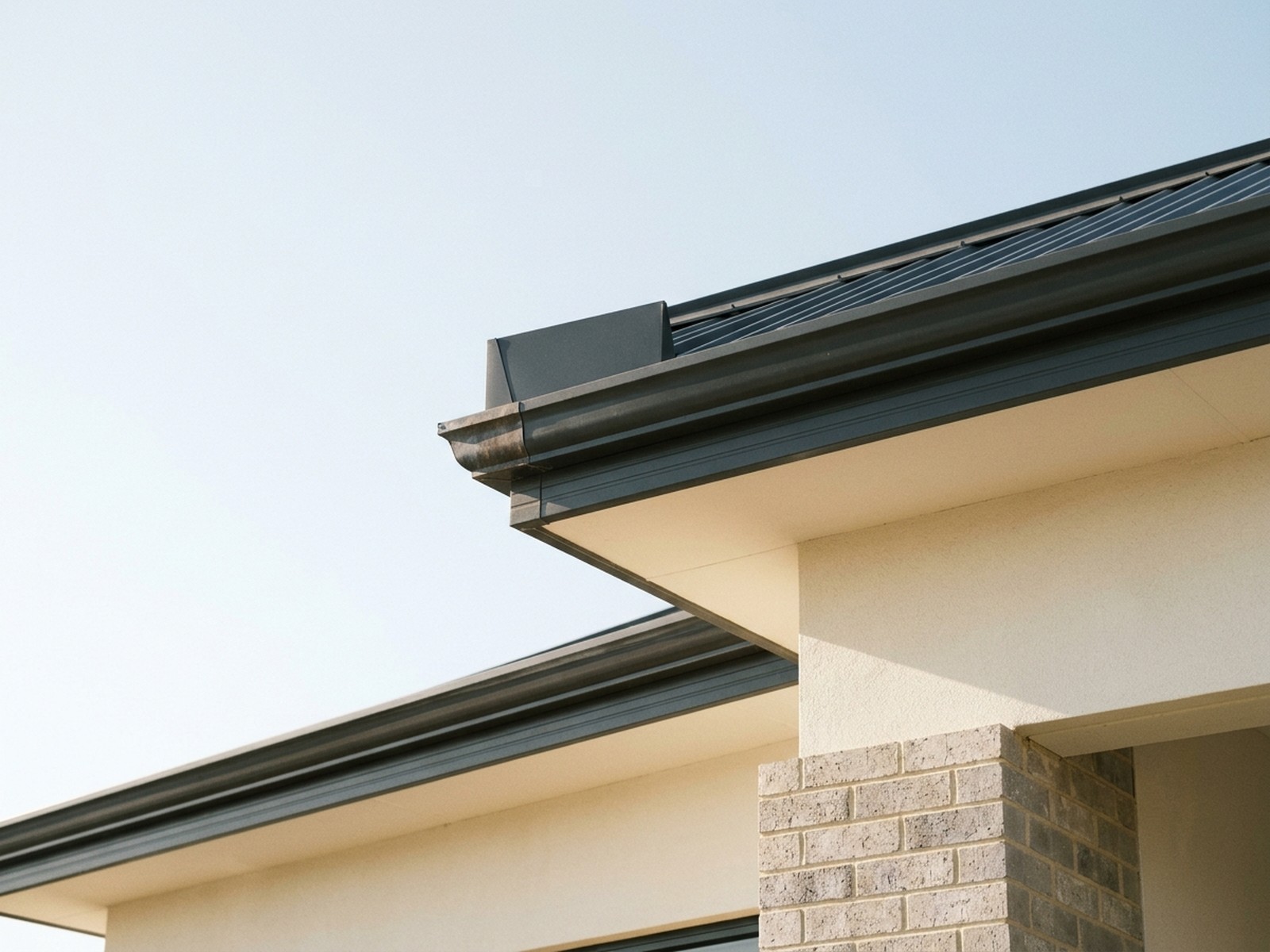
Inspect the things that are expensive to change and easy to miss, and leave the cosmetic things alone: paint and carpet are cheap, and structure, orientation and services are not.
Work in this order:
| Priority | What to check | Why it matters |
|---|---|---|
| 1 | Orientation and light | Which way does the living area face? North-facing living in Perth is materially more comfortable than west-facing. Note where the sun is at the time you visit. |
| 2 | Signs of movement | Stair-step cracking in brickwork, doors that will not close square, uneven floors. These point to structural or footing issues. |
| 3 | Damp and water | Musty smells, staining at skirtings, bubbling paint in wet areas, evidence of poor drainage outside. |
| 4 | Roof and eaves | Sagging lines, patched tiles, gutters pulling away, rust on Colorbond. Visible from the street and the backyard. |
| 5 | Switchboard | Modern board with safety switches, or an old fuse board? This is a real cost difference and a compliance issue at sale. |
| 6 | Hot water, aircon, plumbing | Age and type of the hot water system, whether aircon is ducted or split, water pressure at a tap. |
| 7 | Noise and neighbours | Stand still and listen. Traffic, flight paths, a busy road two streets away, a neighbouring development site. |
| 8 | Storage and layout flow | Where do bikes, tools and linen go? Layout problems are far harder to fix than finishes. |
Two habits improve what you get out of the twenty minutes. First, visit twice at different times if the property makes your shortlist: a street that is quiet at 11am on Sunday can be very different at 5pm on a Tuesday. Second, look at the neighbours’ properties, because their condition, their setbacks and any development potential on their blocks affect what you are buying.
What you are doing at a home open is triage, not diligence. Nothing you observe in twenty minutes substitutes for a professional inspection.
What should you ask the selling agent?
Ask questions that reveal the seller’s position and the property’s history, not questions the listing already answers. The agent works for the seller, so frame your questions knowing that. A good agent still answers directly, because misleading you is both bad practice and a regulatory risk.
Worth asking:
- Why is the property being sold? The answer, or the refusal to answer, tells you something either way.
- How long has it been on market? Time on market shapes a seller’s flexibility.
- Has it been offered before and withdrawn? A relisted property has history.
- What has been done to it, and when? Renovation dates matter for approvals and for what is likely to fail next.
- Are there approvals for the works? Unapproved structures become your problem at resale.
- What is the seller’s preferred settlement period? A seller needing a long settlement and a buyer needing a short one is a real mismatch.
- Is there a closing date for offers? This changes how fast you need to move.
- Are there any strata or body corporate obligations? Relevant for any unit, townhouse or apartment.
Consumer Protection WA sets out what buyers should establish before committing in its planning to buy a property guidance, and it is worth reading before your first Saturday of home opens rather than after.
What is an agent obliged to tell you?
An agent must disclose material facts about the property and must not mislead you, even though they act for the seller. Consumer Protection WA’s industry guidance on the disclosure of material facts to buyers and tenants states that major factors likely to be material to a purchaser should be disclosed early in the process or as soon as the agent becomes aware of them.
That obligation sits alongside the general duties on WA agents under the Australian Consumer Law and the State’s own licensing framework, which Consumer Protection summarises on its real estate agents, property managers and sales representatives page.
What this means at a home open is simple: ask direct questions and expect direct answers. If a question about the property’s history or condition produces evasion, that is information. It is also a reason to get your own inspection done rather than relying on what you were told.
Home open or private inspection: which should you ask for?
Use home opens to shortlist, and ask for a private inspection once a property is genuinely in contention. The two serve different jobs and it is a mistake to try to do the second job at the first event.
| Home open | Private inspection | |
|---|---|---|
| Booking | None needed | Arranged with the agent |
| Time available | 30–45 minutes, shared | As long as is reasonable |
| Other buyers present | Usually, often many | No |
| Ability to ask detailed questions | Limited | Good |
| Ability to bring a builder or tradesperson | Difficult | Straightforward |
| Best used for | Screening the shortlist | Serious assessment before an offer |
| Reading the competition | Excellent | None |
That last row is underrated. A home open tells you how many other buyers are interested, which is genuinely useful information you cannot get any other way. Note how many groups arrive, how long they stay, and whether anyone comes back for a second look. Then arrange a private inspection to do the real assessment.
If you are buying in Perth’s western suburbs specifically, our strategist’s guide to buying in the western suburbs covers how the corridors differ and what shortlisting well looks like there.
Frequently asked questions
How long does a home open go for in Perth?
Most home opens in Perth run for thirty to forty-five minutes, with the exact window advertised on the listing. Arrive within that window; agents lock up promptly at the end because they frequently have another opening to get to.
Do I need to book a home open?
No. A home open is a public inspection with no booking required: that is the defining difference between a home open and a private inspection.
Can I take photos at a home open?
Ask the agent first. Many sellers are comfortable with it, some are not, and where the property is tenanted the occupants’ privacy is a genuine consideration.
Should I bring a builder to a home open?
You can, but a home open is rarely the right setting for it. If a property is a serious contender, arrange a private inspection so your builder or inspector has time and space to look properly.
What if I cannot attend the advertised home open?
Contact the agent and ask for a private inspection. Agents accommodate this routinely, particularly for buyers who are interstate, working, or genuinely ready to transact.
Does attending a home open commit me to anything?
No. Attending commits you to nothing at all. In Western Australia you become committed when you sign an offer and acceptance contract and the seller accepts it, and at that point the contract is binding.
Make the shortlist, then do the work
The buyers who do well in a Perth spring are not the ones who attend the most home opens. They are the ones who screen efficiently, shortlist honestly, and then put real diligence into the two or three properties that survive.
Boutique Realty Perth’s buying service works with buyers across the western suburbs, the northern beaches, the Stirling coastal corridor, Perth’s inner city and the Mandurah–Peel region. If you would like to know when properties matching your brief come to market, we can set that up.
Call 0414 824 877, email info@boutiquerealtyperth.com.au, or visit Level 3, Suite 17, 23 Railway Road, Subiaco WA 6008.
Keep reading
Related guides.
How to Make an Offer on a House in WA With Confidence
Pre-Settlement Inspection WA: A Practical Checklist
Or go to the service this guide supports: buying.
Experience remarkable
Ready to experience remarkable?
Request a free, no-obligation appraisal and we will walk you through what your property could achieve in today’s market.