
Buying guide
Pre-Settlement Inspection WA: A Practical Checklist
Use this WA pre-settlement inspection checklist to compare the property with the contract, test agreed items and report problems before settlement.
A pre-settlement inspection in WA is the buyer’s opportunity to check that the property is in the condition required by the contract before the transfer is completed. It is not a fresh building inspection and it does not let the buyer renegotiate matters that were visible before the offer.
Consumer Protection says the property should be in the same condition as when the buyer inspected it unless the contract specifies otherwise. The final inspection should therefore be built around evidence: the signed contract, inclusions, agreed repairs, earlier photographs and reports. This checklist explains what to take, what to test and how to report a concern while there is still time to obtain advice.
When should you arrange the pre-settlement inspection?
Arrange the inspection close enough to settlement to reflect the property’s final condition, but early enough for the parties and settlement representatives to address a genuine issue. The exact entitlement, timing and procedure come from the contract, so confirm them with the buyer’s settlement agent or legal practitioner.
Ask the selling representative to provide access when the property is substantially ready for handover. If agreed work is still under way, clarify whether a further check is permitted and how completion will be evidenced.
Do not wait until the settlement appointment to raise access. Put the request in writing and copy the buyer’s settlement representative where appropriate.
For context on the transfer timeline, see Boutique Realty Perth’s guide to the WA settlement process.
What should you bring to the final inspection?
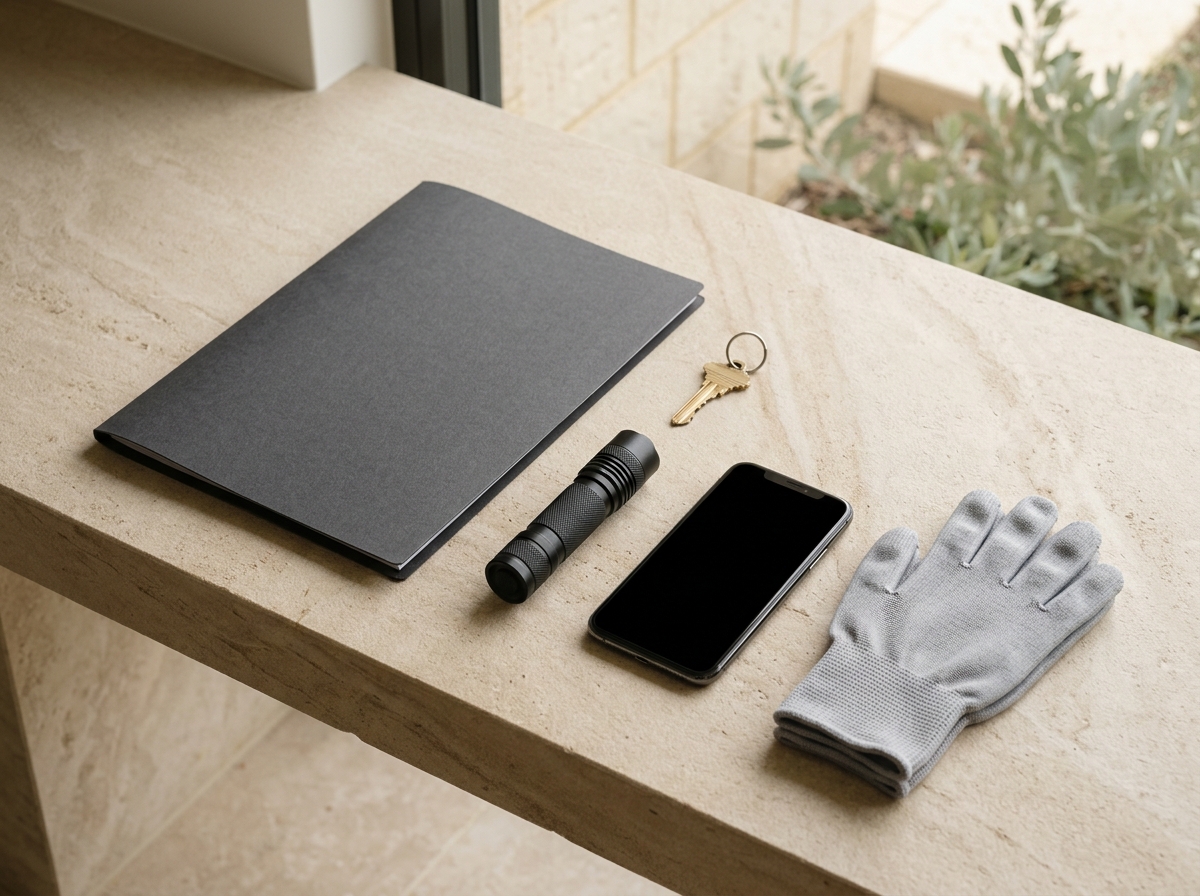
Bring the documents that define what the seller promised. A useful inspection pack includes:
- the fully executed Offer and Acceptance contract
- the Joint Form of General Conditions
- every special condition and agreed variation
- the list of included fixtures and chattels
- building and timber pest reports
- invoices or reports for agreed repairs
- photographs from the earlier inspection, where available
- a phone charger or small electrical item for testing power points
- a torch, notes app and camera
The contract matters more than a memory of the home open. If a freestanding appliance, outdoor pot, television bracket or other item was meant to stay, it should be identifiable from the written terms.
What should you check outside the property?
Start at the street and move in one direction around the home. Compare the current state with the original inspection and contract.
Check:
- fencing, gates and external doors open and secure as expected
- gardens, reticulation and outdoor structures have not been materially damaged or removed contrary to the contract
- sheds, pool equipment and other included items remain
- visible windows, roofline, gutters and external walls show no new damage
- bins, keys, remotes and access devices expected at handover are accounted for
- any agreed external repair appears complete
For a pool or spa, inspect the enclosure and ask for clarification about any compliance documentation promised in the contract. Do not certify electrical, structural or pool-safety compliance yourself. Use an appropriately qualified person where expert assessment is required.
What should you test inside each room?
Use a consistent room-by-room sequence. The purpose is to identify change, missing inclusions and failures covered by the contract, not to carry out invasive testing.
Doors, windows and security
- open and close accessible doors and windows
- check locks, latches, screens and supplied keys or remotes
- note broken glass or damage not present earlier
Lights, power and fixed appliances
- turn lights on and off
- test accessible power points safely
- operate included fixed appliances according to their normal controls
- check air-conditioning units start and respond
- test garage doors, exhaust fans and other agreed fixtures
Water and wet areas
- run taps and showers
- flush toilets
- look beneath accessible sinks for active leaks
- check drainage and visible water pressure
- inspect ceilings and walls for new staining or damage
General condition and inclusions
- compare floors, walls, cabinetry and benchtops with earlier records
- confirm included curtains, blinds, fittings and chattels remain
- check rubbish or abandoned items that conflict with vacant-possession terms
- verify agreed repairs without dismantling or damaging anything
A short video showing the test and date can support an accurate report, provided access and privacy requirements permit recording.
Which WA safety items should be visible before transfer?
Consumer Protection’s property inspection guidance states that two or more residual current devices must be fitted before the land title is transferred. It also says homes should have mains-powered smoke alarms in working order and no more than 10 years old before sale, with battery-powered alarms permitted only in limited circumstances where wiring is impractical.
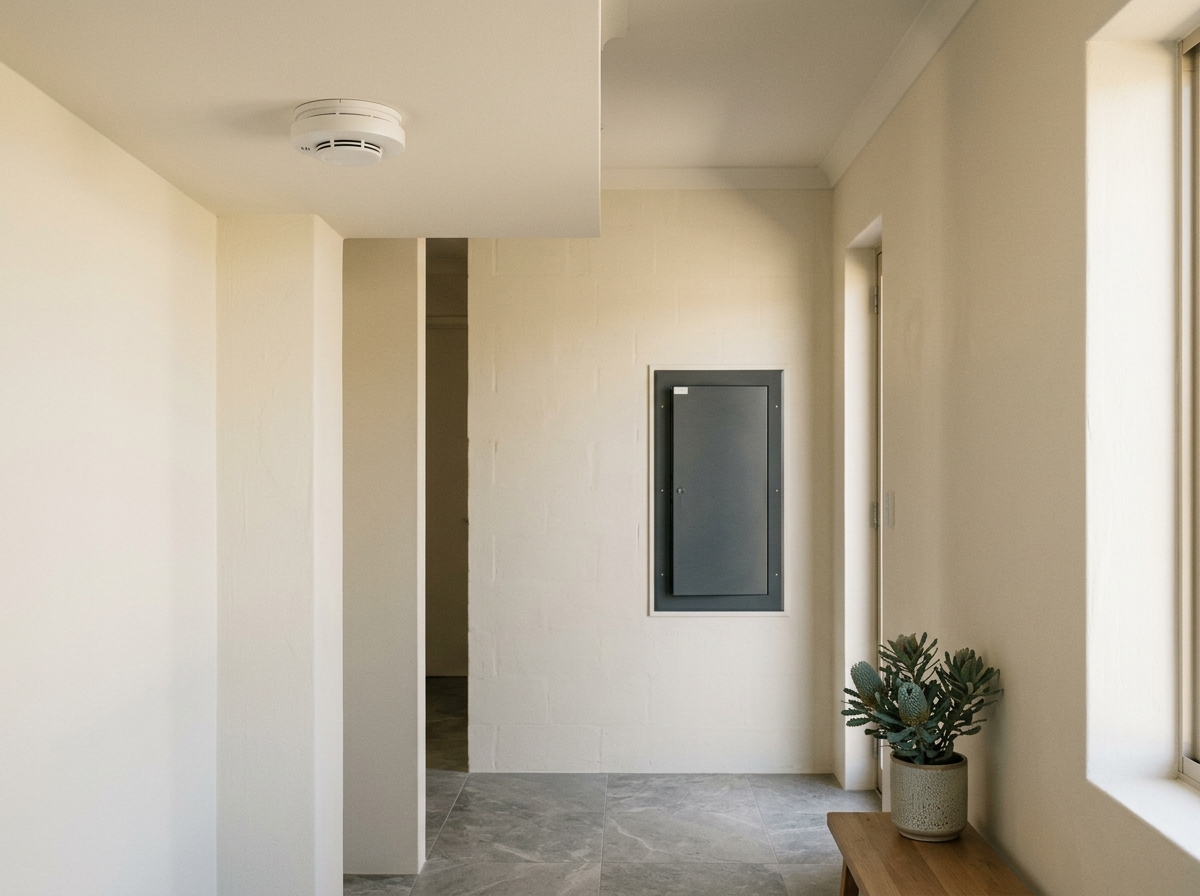
A visual check can confirm that devices appear to be present. It cannot establish correct installation or operation. Electrical work and technical compliance should be assessed by licensed contractors, and any documentary requirement should be handled through the contract and settlement representatives.
Do not press an RCD test button or interfere with switchboard equipment unless a qualified adviser has said it is safe and appropriate to do so.
Is a pre-settlement inspection the same as a building inspection?
No. A professional building or timber pest inspection should be arranged under a suitable special condition before the contractual deadline. Consumer Protection says the condition should address who pays, who pays for repairs or treatment, and whether substantial structural damage permits the sale to be cancelled.
A pre-settlement inspection usually checks whether the property remains in the contracted condition and whether promised work or inclusions are present. It is not designed to discover every structural defect, termite risk or unapproved alteration.
The broader guide to buying in Perth’s western suburbs explains why due diligence must start before the offer, not at the final walk-through.
What should you do if you find a problem?
Document the issue and get advice immediately. Do not make a private arrangement at the property or assume you can delay settlement unilaterally.
Use this sequence:
- photograph or video the concern without causing damage
- note the room, item, time and contract term involved
- tell the selling representative clearly and in writing
- send the evidence to the buyer’s settlement agent or legal practitioner
- ask what remedy and notice process the contract permits
- keep all responses and any agreed resolution in writing
The available response depends on the signed terms and seriousness of the issue. It may involve repair, return of an item, a written undertaking, an agreed adjustment or another contractual remedy. Only the buyer’s legal or settlement adviser should advise whether settlement can be delayed.
How can buyers keep the final inspection focused?
A prepared buyer separates three categories:
| Finding | Practical response |
|---|---|
| Same condition as before | Record completion and move on |
| Minor matter not promised in the contract | Note for post-settlement maintenance |
| New damage, missing inclusion or incomplete agreed work | Document and notify the adviser promptly |
This discipline prevents a final inspection from becoming a second negotiation while ensuring real contractual concerns are not dismissed.
Boutique Realty Perth’s buying service supports access and communication through the Perth purchase process. The buyer’s independent settlement agent or legal practitioner remains responsible for advice about contract enforcement and settlement.
Pre-Settlement Inspection FAQs
Can a buyer attend a pre-settlement inspection in WA?
A buyer’s inspection rights and timing are set by the contract. Ask the selling representative to arrange access and confirm the procedure with the buyer’s settlement or legal adviser.
Does the property have to be professionally cleaned before settlement?
Only if the contract requires that standard. The general question is whether the property is in the contracted condition, not whether it meets a buyer’s preferred cleaning standard.
Can I test appliances at a final inspection?
You can ask to operate included fixtures and appliances safely where access permits. Whether a failure gives a contractual remedy depends on the contract, the item and any special condition.
What happens if agreed repairs are unfinished?
Record the unfinished work and notify the buyer’s settlement or legal adviser immediately. The adviser can assess the special condition and pursue the remedy or written arrangement available under the contract.
Should the seller be present at the inspection?
The selling representative normally coordinates access, but attendance arrangements vary. The buyer should focus on a documented check and direct any dispute through the representatives rather than debating it at the property.
Keep the Purchase on Track
A clean final inspection starts with a clear contract and good records from the first viewing. Browse current Perth properties with due diligence in mind, then obtain independent inspection, settlement and legal advice before committing.
Keep reading
Related guides.
Buying in Perth’s western suburbs: a strategist’s guide
Buying Property at Auction in WA: Bidder Checklist
Or go to the service this guide supports: buying.
Experience remarkable
Ready to experience remarkable?
Request a free, no-obligation appraisal and we will walk you through what your property could achieve in today’s market.