
Buying guide
Building and Pest Inspections in Perth: What They Cover and What They Miss
A building inspection and a timber pest inspection are two separate reports. What each covers, what neither covers, and how the WA condition works.
A pre-purchase building inspection and a timber pest inspection are two separate reports carried out to two different standards, and buying only the first is the most common and most expensive inspection mistake made in Perth. The building report covers the structure and its visible defects; termites and other timber pests are outside its scope unless you commission the pest inspection as well.
This guide explains what each report actually covers, the limits every inspection carries, the Western Australian pest risk that does not exist in most other states, and how the inspection condition works inside a WA offer and acceptance contract.
What does a building inspection actually cover?
A pre-purchase building inspection is a visual assessment of the accessible parts of a property, reporting on its general condition and any significant defects the inspector can see on the day. In Australia these are typically carried out to AS 4349.1, the standard for pre-purchase inspections of residential buildings, which sets the minimum requirements for how the inspection is conducted and reported.
What a standard building inspection generally addresses:
- The structure. Footings, walls, floors and roof framing, so far as they are accessible
- The roof exterior and roof space where safe entry is possible
- Subfloor space where one exists and can be entered
- Internal finishes, doors, windows and visible signs of movement
- Wet areas and visible evidence of water damage or damp
- The exterior, including paving, drainage and retaining walls
- Safety hazards visible during the inspection
The word doing the heavy lifting in all of that is visual. An inspector does not cut into walls, lift flooring, move the seller’s furniture and stored possessions, or dismantle anything. If a defect is concealed, the report will not find it, and a properly written report will say so.
What does a building inspection miss?
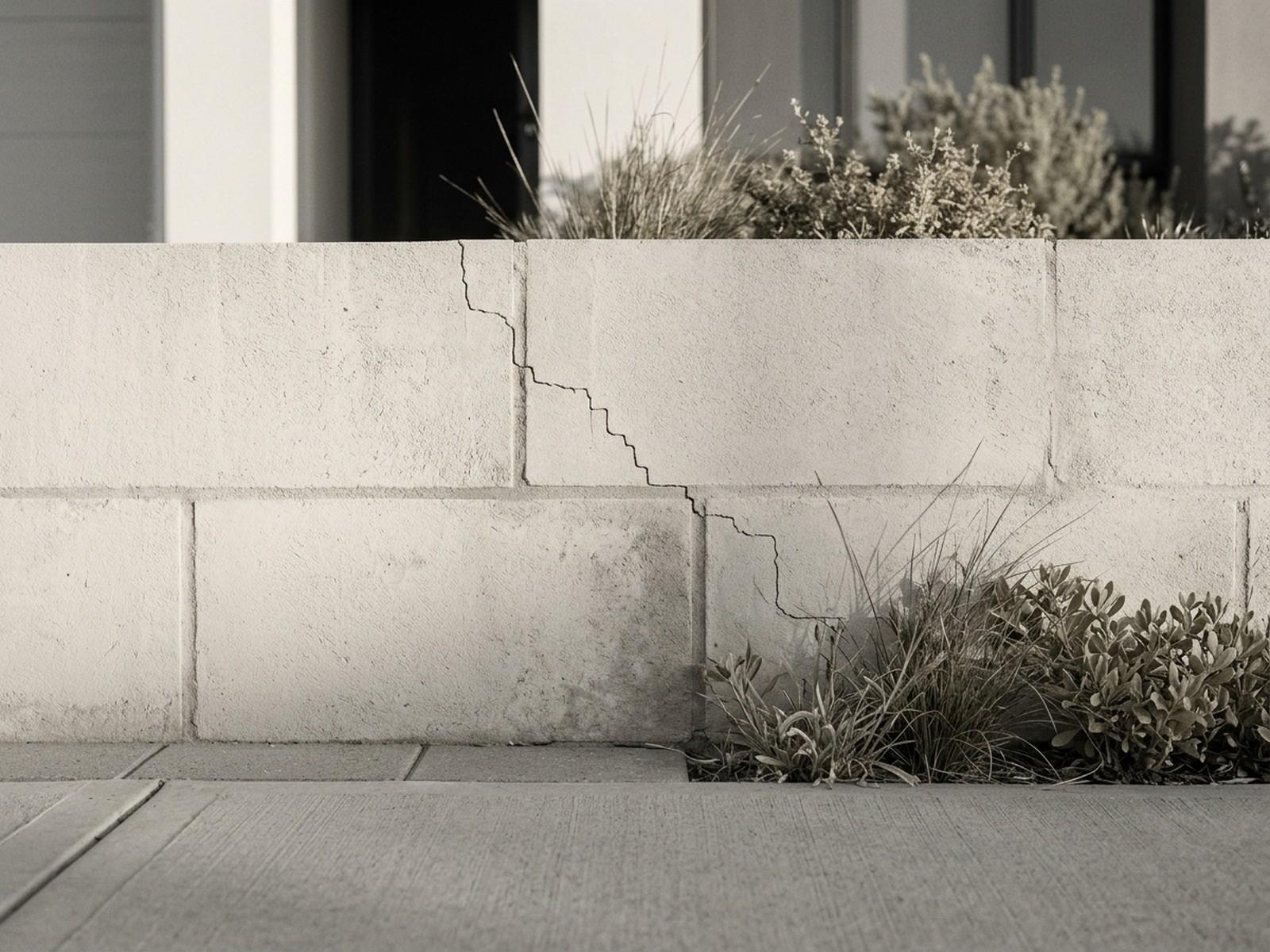
Every pre-purchase inspection carries exclusions, and the important ones are concealed defects, areas the inspector could not safely reach, and any system requiring a specialist licence to assess. This is not a failure of the process: it is the process, and knowing it changes what you do with the report.
| Commonly excluded | Who you need instead |
|---|---|
| Timber pests including termites | A timber pest inspector, under a separate report |
| Electrical system condition and compliance | A licensed electrical contractor |
| Plumbing, drains and sewer condition | A licensed plumber, often with a camera survey |
| Swimming pool shell, plant and fencing compliance | A pool specialist and your local government |
| Asbestos identification and assessment | A licensed asbestos assessor |
| Air conditioning and hot water system condition | The relevant trade |
| Anything concealed behind linings, under floor coverings, or behind stored goods | Nobody, until it is exposed |
| Compliance of past building work with approvals | Your local government’s building records |
That last row deserves attention in Perth. Unapproved patios, enclosed verandahs, converted garages and non-compliant retaining walls are common, and they become the new owner’s problem. A building inspection may note that work appears to have been done; it will not tell you whether the local government approved it. Ask the agent, and check with the local government if the answer is vague.
Do you need a separate termite inspection in Perth?
Yes. Timber pests are not included in a standard building inspection, and the timber pest inspection is a separate engagement carried out to AS 4349.3, which covers subterranean and dampwood termites, borers of seasoned timber and wood decay fungi.
Perth’s conditions (sandy soils, long dry summers, reticulated gardens keeping moisture against slabs and footings) make subterranean termite activity a genuine and ongoing risk across the metropolitan area. A timber pest report looks for evidence of current activity, evidence of past damage, and the conditions conducive to attack: poor drainage, garden beds built up above slab level, timber in ground contact, leaking taps against external walls.
Two things a timber pest report will not do. It will not guarantee the property is free of termites: it reports what was visible and accessible on the day. And it does not include dry wood termites or European house borer, which are specifically excluded from the AS 4349.3 scope.
That second exclusion matters more in Western Australia than anywhere else in the country.
What is European house borer, and why does it only matter in WA?
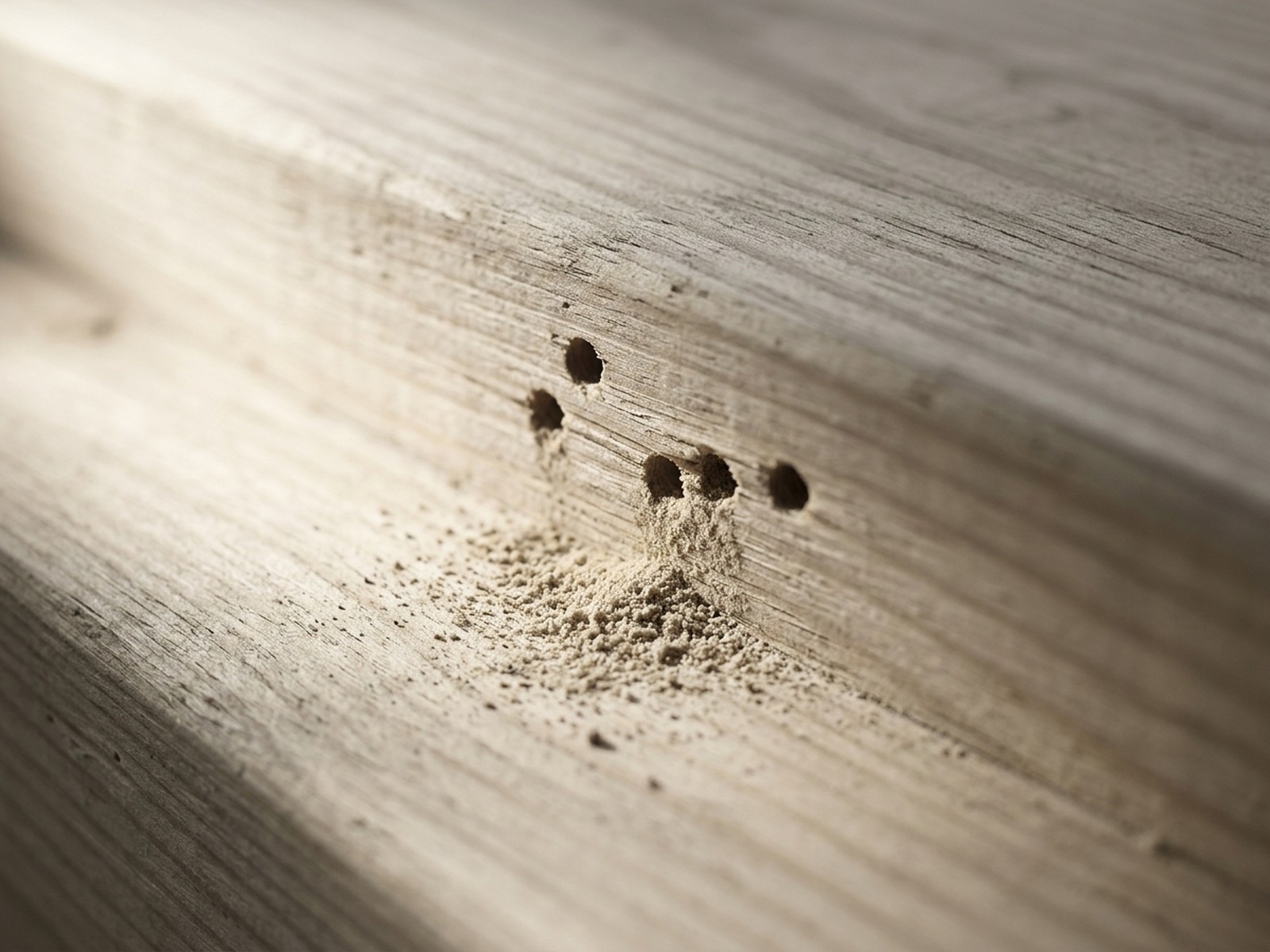
European house borer is a declared pest in Western Australia that attacks seasoned untreated pine and other coniferous timber, and it is a WA-specific problem that buyers moving from the eastern states have usually never heard of. The Department of Primary Industries and Regional Development describes it as a destructive declared pest of seasoned coniferous timber, including pine, fir and spruce, capable of causing structural damage where it infests susceptible roof timbers, door and wall frames or flooring.
The regulatory response is geographic. Sites where the pest has been found are surrounded by a Restricted Movement Zone, within which the movement of susceptible material, including untreated pine, is restricted. The State publishes the current zones through its European house borer restricted movement zones service, and Building and Energy maintains guidance for the building industry on the materials requirements that apply inside them.
What a buyer should take from this:
- If the property sits in or near a Restricted Movement Zone, ask what timber the roof framing and structural elements use
- Treated pine and non-susceptible materials are required in construction within those zones
- Untreated pine in a susceptible location is the risk factor, particularly in roof spaces
- European house borer is excluded from the standard timber pest report scope, so raise it specifically with your inspector
None of this makes a property unbuyable. It makes it a property you should understand before you sign rather than after.
How does the inspection condition work in a WA offer?
You make the offer conditional on a satisfactory inspection, and the condition sets a deadline by which you must act, because in Western Australia there is no statutory cooling-off period to fall back on if you do nothing.
Consumer Protection WA confirms that buyers can negotiate conditions in the offer and acceptance contract including completion of a building or pest inspection, alongside conditions such as loan approval. The same page is blunt that there is no mandatory cooling-off period for real estate contracts made in WA, which is exactly why the inspection condition is doing real work rather than being a formality.
The practical sequence:
- Before you offer, get quotes and check inspector availability. In a busy spring, a good inspector may be booked a week out.
- Write the condition properly. It needs a realistic deadline, and it needs to be clear about what outcome entitles you to act.
- Book immediately on acceptance. The clock starts when the contract is signed, not when you get organised.
- Read the whole report, not the summary. The exclusions section tells you what you still do not know.
- Act within the deadline, in writing. Missing the date can leave you bound regardless of what the report found.
Point five is where buyers get hurt. The condition protects you only if you use it according to its terms and within its timeframe. Our guides to making an offer on a house in WA and the subject to finance clause cover how conditions and notices operate inside the WA contract framework. Treat your inspection condition with the same seriousness.
Have your settlement agent or solicitor review the wording before you sign. A condition that reads as protection but does not operate as protection is worse than no condition at all, because you relied on it.
What should you do with a report that finds problems?
Read what the defect actually costs to fix before deciding how to respond, because most reports find something and very few findings are deal-ending. The useful question is not “is there a defect” but “what does this change about the price, the risk or the decision”.
Broadly there are four responses:
- Proceed unchanged (the findings are minor, expected for the property’s age, and already priced in
- Negotiate) ask for a price adjustment or for the seller to rectify before settlement
- Investigate further, get a trade quote or a specialist assessment on a specific finding before deciding
- Exercise the condition, where the findings are material and the numbers no longer work
Get quotes before you negotiate. “The report mentions the roof” is a weak position; “here is a licensed roofer’s quote for the work the report identified” is a strong one.
Frequently asked questions
How much does a building and pest inspection cost in Perth?
It varies with the size, age and accessibility of the property and whether you book the building and timber pest reports together, which is usually cheaper than separately. Get two or three quotes and compare what is actually included rather than comparing headline prices: the cheap report that excludes the roof space is not cheap.
Is a building inspection compulsory in WA?
No. It is optional, but skipping it in a state with no statutory cooling-off period means committing to the property’s condition without having checked it.
How long does a building inspection take?
Typically a couple of hours on site for a standard home, with the written report usually following within one to two business days. Confirm the turnaround before you book, because your condition deadline depends on it.
Can I use the seller’s inspection report?
You can read it, but commission your own. A report prepared for someone else is written for their purposes, may be out of date, and generally gives you no recourse against the inspector.
Does a building inspection cover the electrical and plumbing?
Not in any meaningful sense. A standard inspection notes visible issues but does not assess the electrical or plumbing systems: those require a licensed electrical contractor and a licensed plumber respectively.
What is the difference between a building inspection and a pre-settlement inspection?
A building inspection is a professional assessment of condition, commissioned before or shortly after you make an offer. A pre-settlement inspection is your own final walk-through before handover, to confirm the property is in the agreed condition and that anything included in the sale is still there.
Get the inspection booked before you need it
The buyers who handle inspections well in a competitive Perth spring are the ones who chose their inspector and confirmed availability before their offer was accepted. Working that out inside a five-day condition, in October, is how deadlines get missed.
Boutique Realty Perth’s buying service supports buyers across the western suburbs, the northern beaches, the Stirling coastal corridor and the Mandurah–Peel region. We do not carry out inspections: use an independent, appropriately licensed inspector, and have your settlement agent or solicitor review your contract conditions.
Call 0414 824 877, email info@boutiquerealtyperth.com.au, or visit Level 3, Suite 17, 23 Railway Road, Subiaco WA 6008.
Experience remarkable
Ready to experience remarkable?
Request a free, no-obligation appraisal and we will walk you through what your property could achieve in today’s market.