
Landlords guide
Pets in Rental Properties WA: 2026 Landlord Rules
Understand the 2026 WA rental pet rules, including Form 25, the 14-day response, refusal grounds, conditions, strata and the $350 pet bond.
Pets in rental properties in WA are generally allowed with the landlord’s permission, and landlords must follow a formal process to refuse most requests or impose special conditions. For a request made during a tenancy, the tenant uses Form 25 and the landlord has 14 days, starting the day after receipt, to decide and apply for Commissioner approval where required.
The rules do not create automatic approval for every animal in every home. Property suitability, legal restrictions, strata by-laws, health and safety, likely damage and hardship can all matter. The key is to respond within time, use the correct refusal pathway and keep any approved conditions precise. This guide reflects Consumer Protection information updated on 11 August 2026.
How does a tenant ask to keep a pet in WA?
At the start of a tenancy, landlord and tenant can agree to a pet and record the animal and any lawful conditions in the tenancy agreement.

During an existing tenancy, the tenant must use Form 25, Pet Request Form. The tenant completes their section, gives the form to the landlord or property manager and keeps a copy.
The request should identify the animal clearly. Useful information can include species, breed, age, size, registration, desexing, temperament, proposed location and care arrangements. Supporting detail helps the landlord assess the actual request rather than an abstract category.
The WA tenancy law guide gives landlords wider context on the notices and procedures that sit around pet, entry, rent and breach rules.
How long does a landlord have to respond?
The landlord has 14 days starting on the day after receiving Form 25 to make a decision, notify the tenant and apply for Commissioner approval if the proposed refusal or condition requires it.
Consumer Protection’s current renting with pets guidance says that if the landlord does not respond at all, the tenant can keep the pet. A late informal email may therefore fail to protect the landlord’s position.
On receipt:
- date-stamp the form
- calculate the response deadline using the official counting rules
- check the lease, property details and strata by-laws
- assess the specific animal and proposed arrangement
- decide whether approval, lawful conditions or refusal is appropriate
- lodge any Commissioner application within the 14-day period
- give the tenant the written response and keep evidence
A property manager should escalate the request to the owner immediately rather than waiting for the next routine update.
When can a landlord refuse a pet without Commissioner approval?
A landlord can refuse without Commissioner approval when keeping the pet would breach a law or a strata by-law. Consumer Protection gives strata rules as a direct example.
Check the actual current by-laws and any required Council of Owners process. Do not assume that all strata schemes prohibit pets or that silence from a strata body gives the landlord permission to approve.
Where the by-laws require Council of Owners approval, the landlord or property manager may need to help communicate the request. Consumer Protection notes that no statutory response time applies to the Council of Owners, even though the residential tenancy response deadline still matters. Obtain advice where the two processes do not align.
When does refusal need Commissioner approval?
For other refusal grounds, the landlord applies for Commissioner approval within the response period. Consumer Protection lists examples including:
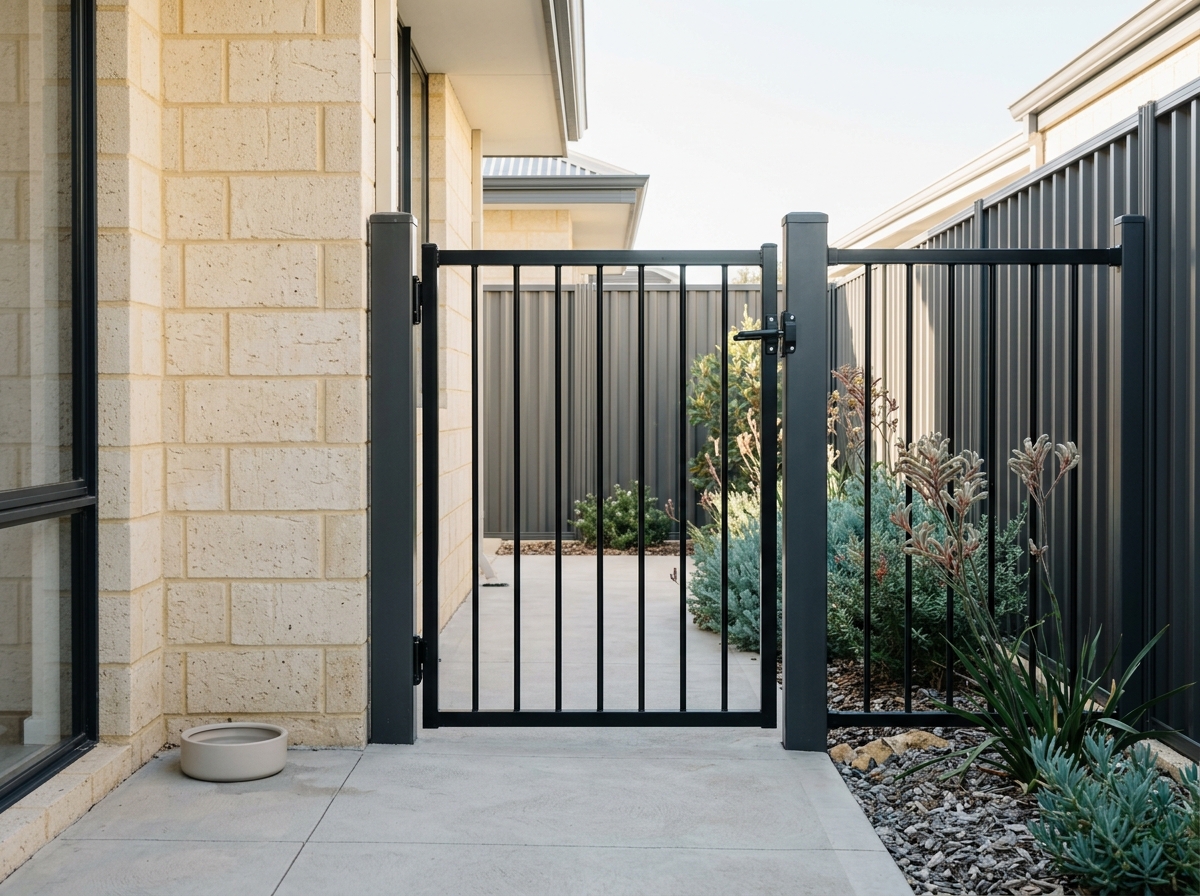
- the premises are unsuitable, such as inadequate fencing for the proposed animal
- too many pets already live at the home
- likely pet damage may cost more than the bond to repair
- the animal creates an unacceptable health or safety risk
- keeping the pet is likely to cause undue hardship to the landlord or another tenant at the property
- the pet is a dangerous dog under the Dog Act 1976
Evidence should address the particular pet and property. A general dislike of animals or a standard “no pets” preference is not the same as a supported statutory ground.
A factual assessment may include fencing photographs, layout details, strata rules, the number and type of existing animals, relevant health evidence or a repair-risk explanation. Avoid unsupported assumptions about a breed or tenant.
Which pet conditions can a landlord set?
Some conditions can be imposed without Commissioner approval. Consumer Protection identifies:
- a limit on the number of animals at the home
- cleaning, maintenance and fumigation requirements
Other conditions need Commissioner approval. Examples on the official guidance include requiring a pet to stay outside or requiring a bird to remain in a cage.
Every condition should be clear, proportionate and recorded in writing. Avoid a vague term that cannot be applied consistently. A condition should say what must happen, when it applies and how compliance will be assessed.
Conditions cannot remove the tenant’s ordinary rights or create a second pet bond by another name. Obtain advice before charging any pet-related fee outside the permitted bond framework.
How much is the WA pet bond in 2026?
The maximum pet bond for a residential tenancy is $350, no matter how many pets the tenant has. Consumer Protection says it may be used for fumigation or pet-related damage and must be lodged with the Bonds Administrator.
Key rules include:
| Situation | Pet bond treatment |
|---|---|
| Standard residential tenancy | Maximum $350 in total |
| Several approved pets | Still one maximum total, not $350 per pet |
| Assistance animal | No pet bond |
| Existing lower pet bond | Increase only at the next rent increase or when an additional pet request is approved |
| Residential park tenancy | Different maximum and permitted purpose apply |
Do not deduct pet damage automatically. Bond disposal must follow the normal agreement or dispute process, supported by condition evidence and actual loss.
The pet bond is not a substitute for planned investment property maintenance or suitable landlord insurance.
What responsibilities does a tenant have for the pet?
Permission does not remove tenant responsibility. Consumer Protection says tenants must clean pet mess inside and outside, address nuisance such as excessive barking, and repair damage caused by the pet.
Landlords and property managers should report a concern specifically and distinguish between:
- ordinary wear and tear
- tenant or pet damage
- owner maintenance
- nuisance affecting neighbours
- a health or safety issue
- breach of an agreed pet condition
Where a breach is established, use the prescribed notice and remedy process. Do not enter without notice or use routine inspections more frequently because a pet has been approved.
Are assistance animals treated as pets?
No. Consumer Protection defines pets to exclude assistance animals trained to help a person with disability in relation to that disability and meeting relevant standards. A person with an assistance animal cannot be required to pay a pet bond.
Do not process an assistance animal as an ordinary discretionary pet request without checking the applicable disability and tenancy rules. Ask only for information that is lawful and necessary, and seek advice rather than making assumptions about a person’s disability.
How should pet approval be documented?
Keep one complete record containing:
- the tenant’s Form 25 and date received
- supporting information about the animal
- the landlord’s assessment
- relevant by-laws or legal restriction
- any Commissioner application and decision
- the written approval, refusal or conditions
- the pet bond record
- later inspection, maintenance or breach evidence
Update the tenancy record so everyone knows which pet is approved and which conditions apply. If the tenant later requests another animal, treat it as a new request and reassess the total arrangement.
Boutique Realty Perth’s property management service handles tenant communication, lawful inspections, maintenance and records as connected parts of managing a Perth investment.
How can landlords make a fair pet decision?
Assess fit rather than reacting to the word “pet”. A large dog, indoor cat, caged bird and aquarium create different questions. A house with secure outdoor space differs from an apartment governed by detailed by-laws.

A defensible decision asks:
- Is the animal lawful at this property?
- Do strata approvals apply?
- Is the home physically suitable?
- Is there evidence of a statutory refusal ground?
- Would a permitted condition address the concern?
- Does the condition need Commissioner approval?
- Can the deadline be met with complete documentation?
A consistent process protects the asset while treating the tenant’s request on its facts.
WA Rental Pet FAQs
Can a landlord say no to pets in WA?
A landlord can refuse where keeping the pet would break a law or strata by-law. Other refusal grounds generally require an application for Commissioner approval within the 14-day response period.
What happens if the landlord does not answer Form 25?
If the landlord does not respond at all within the required period, Consumer Protection says the tenant can keep the pet. Date-stamping and immediate assessment are therefore essential.
Can a landlord charge $350 for every pet?
No. The maximum residential tenancy pet bond is $350 in total regardless of the number of pets.
Can a landlord require a pet to stay outside?
Such a condition requires Commissioner approval. Conditions limiting animal numbers or addressing cleaning, maintenance and fumigation can be set without that approval.
Do assistance animals require landlord permission and a pet bond?
Assistance animals are not treated as pets under the pet rules, and no pet bond applies. Landlords and agents must also comply with relevant discrimination law.
Manage Pet Requests Within the Deadline
A fair pet decision needs current rules, property evidence and prompt written action. Request a rental appraisal and management review to discuss how tenancy compliance and asset care work together for a Perth investment.
Keep reading
Related guides.
Maintenance strategy for investment properties: protect the asset, not just the inbox
Routine Rental Inspections WA: Rules and Checklist
Or go to the service this guide supports: property management.
Experience remarkable
Ready to experience remarkable?
Request a free, no-obligation appraisal and we will walk you through what your property could achieve in today’s market.