
Landlords guide
Routine Rental Inspections WA: Rules and Checklist
Learn the WA routine rental inspection rules, notice periods, entry limits, privacy boundaries and a practical condition-reporting checklist.
Routine rental inspections in WA let a landlord or property manager monitor the condition of the home, identify maintenance and confirm how the tenancy is tracking. They are not open-ended searches of a tenant’s private life. WA Consumer Protection limits routine inspections to no more than four a year and requires 7 to 14 days’ written notice at a suitable time.
A useful inspection produces an accurate condition record and a prioritised maintenance plan while respecting the tenant’s right to quiet enjoyment. This guide explains the notice, access and privacy rules, what a professional inspection should cover, and how landlords can turn findings into timely decisions rather than a folder of photographs.
How often can a rental property be inspected in WA?
A landlord has the right to conduct routine inspections no more than four times a year. That is a maximum, not a requirement to inspect every three months regardless of the property or agreement.
Consumer Protection’s rent inspection and privacy guidance says routine inspections require 7 to 14 days’ written notice and must occur at a suitable time. A well-planned schedule considers the tenancy start date, recent maintenance, previous findings and the written management authority.
Visits for repairs, emergencies, valuations or showing the home have different purposes and notice rules. They should not be relabelled routine inspections to avoid the correct process.
The WA tenancy law guide for landlords provides wider context on entry, bonds, rent and breach procedures.
What notice is required for a routine inspection?
The notice must be in writing and state the reason for entry. Consumer Protection directs landlords and agents to use Form 19, Notice of Proposed Entry.
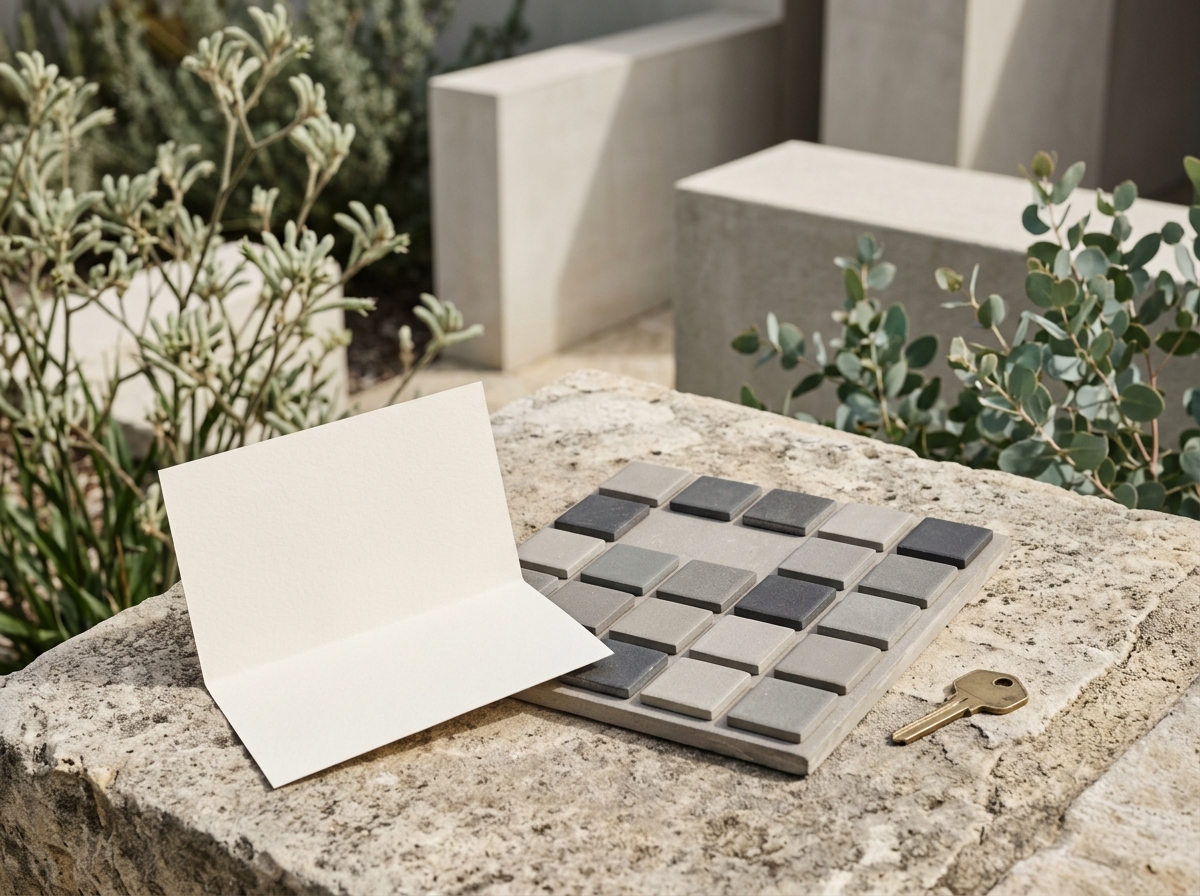
For a routine inspection, give 7 to 14 days’ notice. Allow for the way the notice is served and any delivery time required by the rules. Keep evidence of the completed form, service method and date.
Entry can occur only:
- between 8 am and 6 pm on a weekday
- between 9 am and 5 pm on a Saturday
- at another time agreed by the tenant and landlord
A public holiday is not an allowable entry day unless the legal requirements for the particular circumstance are satisfied. Where a tenant works shifts or faces another genuine difficulty, make a reasonable effort to agree on a suitable time.
Does the tenant have to be home?
No. A tenant has the right to be present but does not have to stay home for a properly notified inspection. A landlord or authorised person may enter if valid written notice was given, even when the tenant is absent.
The tenant cannot be required to leave while the inspection takes place. The person entering should identify who will attend, arrive within the notified arrangement and stay no longer than necessary.
If the notice, timing or purpose does not meet the rules, the tenant may be entitled to refuse entry. Clear records protect both parties from avoidable disputes.
What should a routine inspection cover?
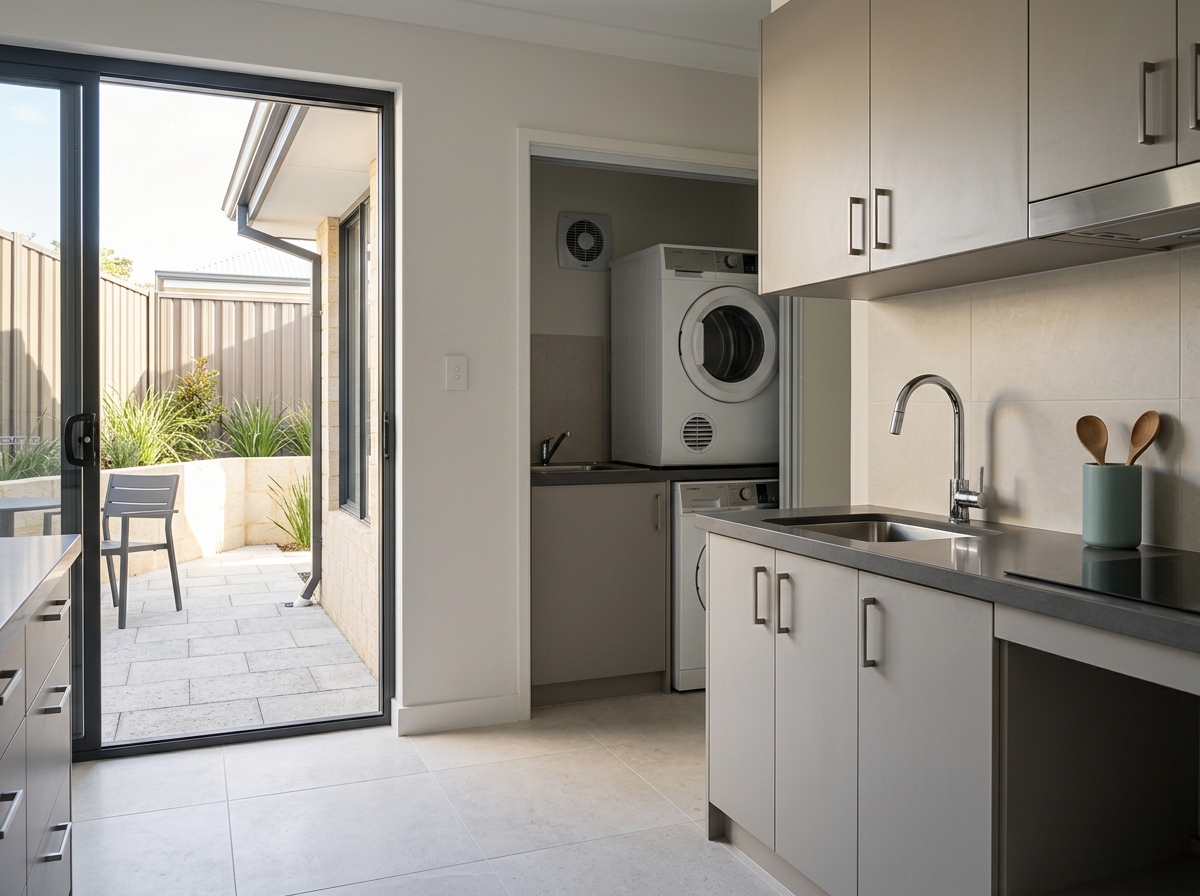
A routine inspection should focus on property condition, safety observations and tenancy matters visible during ordinary access. Use a consistent room order and compare findings with the entry condition report and earlier inspections.
Exterior and grounds
- visible condition of walls, roofline, gutters and drainage
- fencing, gates, paths and outdoor structures
- gardens and reticulation responsibilities under the agreement
- signs of leaks, storm damage, pests or trip hazards
Interior rooms
- new damage or deterioration to walls, floors, doors and windows
- visible moisture, mould or ventilation concerns
- operation of supplied fixtures where reasonable to check
- signs that a reported repair has not resolved the problem
Kitchens and wet areas
- active leaks beneath accessible sinks
- condition of cabinetry, benchtops and supplied appliances
- drainage, sealants and visible water damage
- exhaust and ventilation concerns
Safety and maintenance observations
- visible smoke alarm or RCD concerns to refer to a qualified contractor
- loose fittings, damaged stairs or other apparent hazards
- maintenance likely to worsen if delayed
- tenant-reported issues requiring investigation
An inspection is not a technical certification. Electrical, building, plumbing and pest concerns should be assessed by appropriately qualified people.
Can a property manager take photographs?
Photographs can support a condition record, but privacy still applies. Consumer Protection says the tenant and landlord should agree to photographs taken during an inspection and their accuracy.
Keep images relevant to the condition issue. Avoid personal documents, family photographs, computer screens, medicine, valuables and other private possessions wherever possible. Do not reuse routine-inspection images in advertising without the tenant’s permission.
A good report explains what the image shows, where it was taken and whether action is required. A large gallery without context is not a maintenance plan.
What should happen after the inspection?
Send a clear report and act on the findings. Separate observations into categories so everyone knows what comes next.

| Finding | Appropriate next step |
|---|---|
| No material change | Record condition and next review point |
| Landlord maintenance | Obtain advice or quotes and authorise work promptly |
| Urgent concern | Follow the urgent repair process immediately |
| Tenant housekeeping affecting condition | Explain the specific issue and reasonable correction |
| Possible breach | Verify evidence and follow the prescribed process |
| Improvement opportunity | Assess cost, rent impact and long-term asset value |
Do not turn a maintenance item into a tenant allegation without evidence. Likewise, do not leave a documented leak or safety concern sitting until the next routine inspection.
Boutique Realty Perth’s investment property maintenance guide explains how prompt, prioritised work protects the asset rather than simply clearing an inbox.
How should landlords handle a suspected breach?
A routine inspection report is evidence, not a breach notice by itself. Confirm the tenancy term involved, distinguish fair wear and tear from damage, and use the prescribed process where a breach is established.
The communication should identify the specific concern and what needs to change. If formal action is appropriate, use the correct form, service method and timeframe. Seek Consumer Protection or legal advice where facts are disputed or termination is being considered.
Repeated unscheduled visits, intimidating conduct or excessive contact can interfere with quiet enjoyment. Compliance must run in both directions.
How do routine inspections support property performance?
Condition reporting is most valuable when connected to asset decisions. An inspection can reveal a small leak before cabinetry fails, persistent condensation before mould spreads, or an ageing fixture before a vacancy forces a rushed replacement.
A professional review should answer:
- What needs action now?
- What should be budgeted this year?
- Which observation needs a qualified assessment?
- Has an earlier repair worked?
- Is a small improvement likely to support tenant retention or future rent?
The Perth landlord guide places inspections within the wider system of tenant selection, rent evidence, maintenance and compliance.
How does professional management improve inspection follow-through?
The value of a property manager is not the visit alone. It is lawful notice, consistent evidence, respectful tenant communication, maintenance triage and a record the owner can act on.
Boutique Realty Perth’s property management service connects routine inspections with screening, rent reviews, maintenance and annual asset reviews. Owners should agree the inspection schedule, reporting format and repair authority in the written management agreement.
Routine Rental Inspection FAQs
How much notice is required for a rental inspection in WA?
A routine inspection requires 7 to 14 days’ written notice. The notice should use Form 19, state the reason for entry and allow for applicable service time.
Can a landlord inspect a WA rental every three months?
A landlord may conduct no more than four routine inspections a year, subject to correct notice and suitable timing. Four is the legal maximum, not an automatic quarterly entitlement detached from the tenancy circumstances.
Can a tenant refuse a routine inspection?
A tenant may refuse entry where proper written notice was not given, the visit is outside allowable times or it is on a public holiday. A tenant cannot unreasonably delay a lawfully arranged inspection.
Can a landlord open cupboards during an inspection?
An inspection should remain relevant and proportionate to property condition. Private storage and possessions deserve respect, while fixed cabinetry may need a limited check for leaks or damage; obtain advice if the scope is disputed.
Are photos allowed at a WA rental inspection?
Consumer Protection says the parties should agree to inspection photographs and their accuracy. Images should document property condition, avoid private information and not be repurposed for advertising without permission.
Put Every Inspection to Work
Routine inspections should lead to clear maintenance and asset decisions, not repeated uncertainty. Request a rental appraisal and management conversation to review how a Perth investment is being cared for, with all tenancy action kept within current WA rules.
Keep reading
Related guides.
Maintenance strategy for investment properties: protect the asset, not just the inbox
The Perth landlord’s guide to getting management right
Or go to the service this guide supports: property management.
Experience remarkable
Ready to experience remarkable?
Request a free, no-obligation appraisal and we will walk you through what your property could achieve in today’s market.